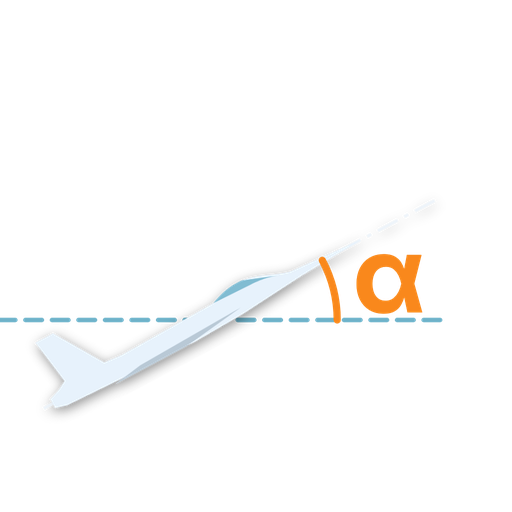
 HIGH
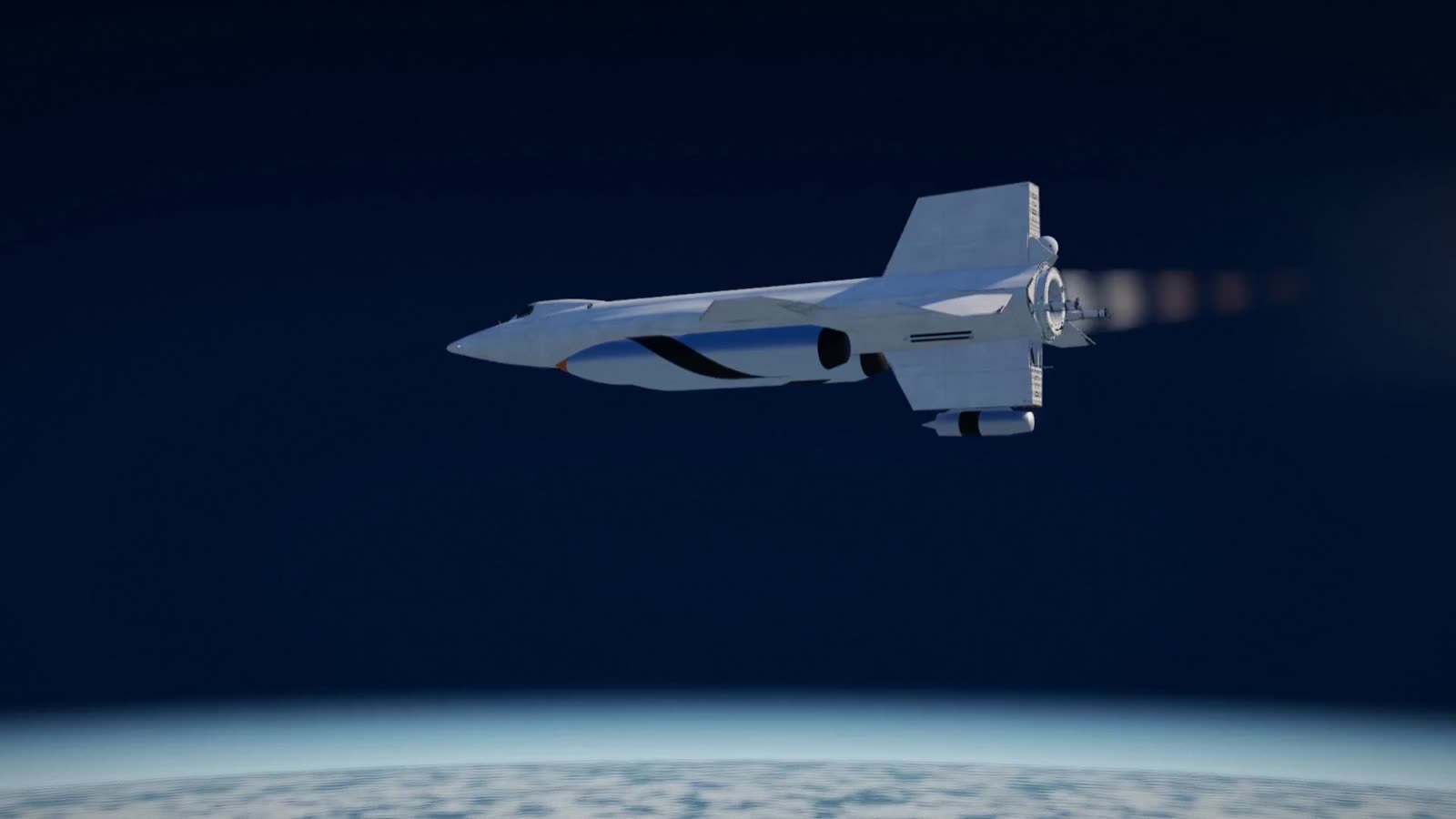
A famous aircraft
An icon you already know — the X-15, the SR-71, the B-52, the F-14 — pushed past the point its designers planned for.
Famous aircraft · flown to the edge · explained
The most famous aircraft ever built, flown to the edge of their flight envelope — and what was waiting there. Real 3D, real archive film, the original documents.
16–20 minute films · in English and German
Pilots' language for a steep angle of attack: the wing pitched up against the air, right at the edge of what it can do. That edge is where every one of our films takes place.
The formula / 01–04
No channel-of-everything history lessons. One aircraft, one question, one day that really happened — answered from the paperwork.
An icon you already know — the X-15, the SR-71, the B-52, the F-14 — pushed past the point its designers planned for.
Not “the history of”. One question you can answer in a sentence — and we do, before the credits.
Every film opens on a day that happened: the date, the altitude, the people on board, in the present tense.
Flight manuals, test reports, accident findings and the crews' own accounts. Quoted — never invented.
Film 01 · out now
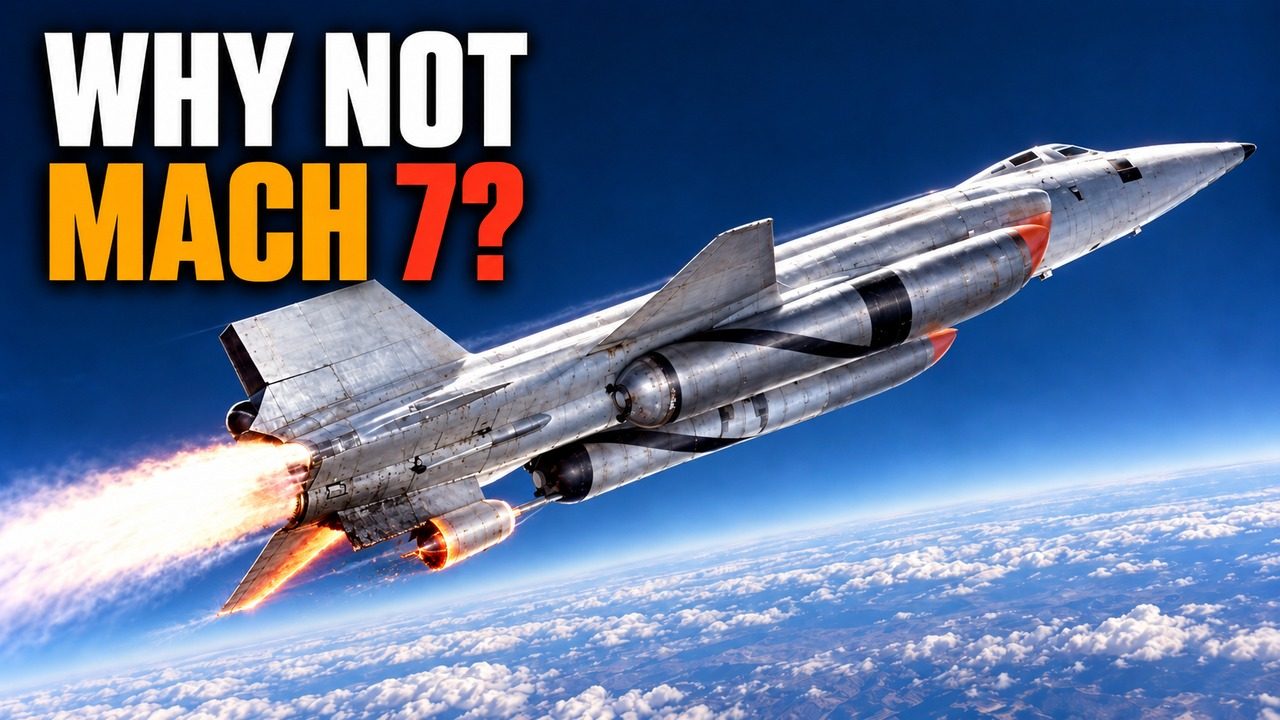 16:26
X-15A-2 · 3 October 1967
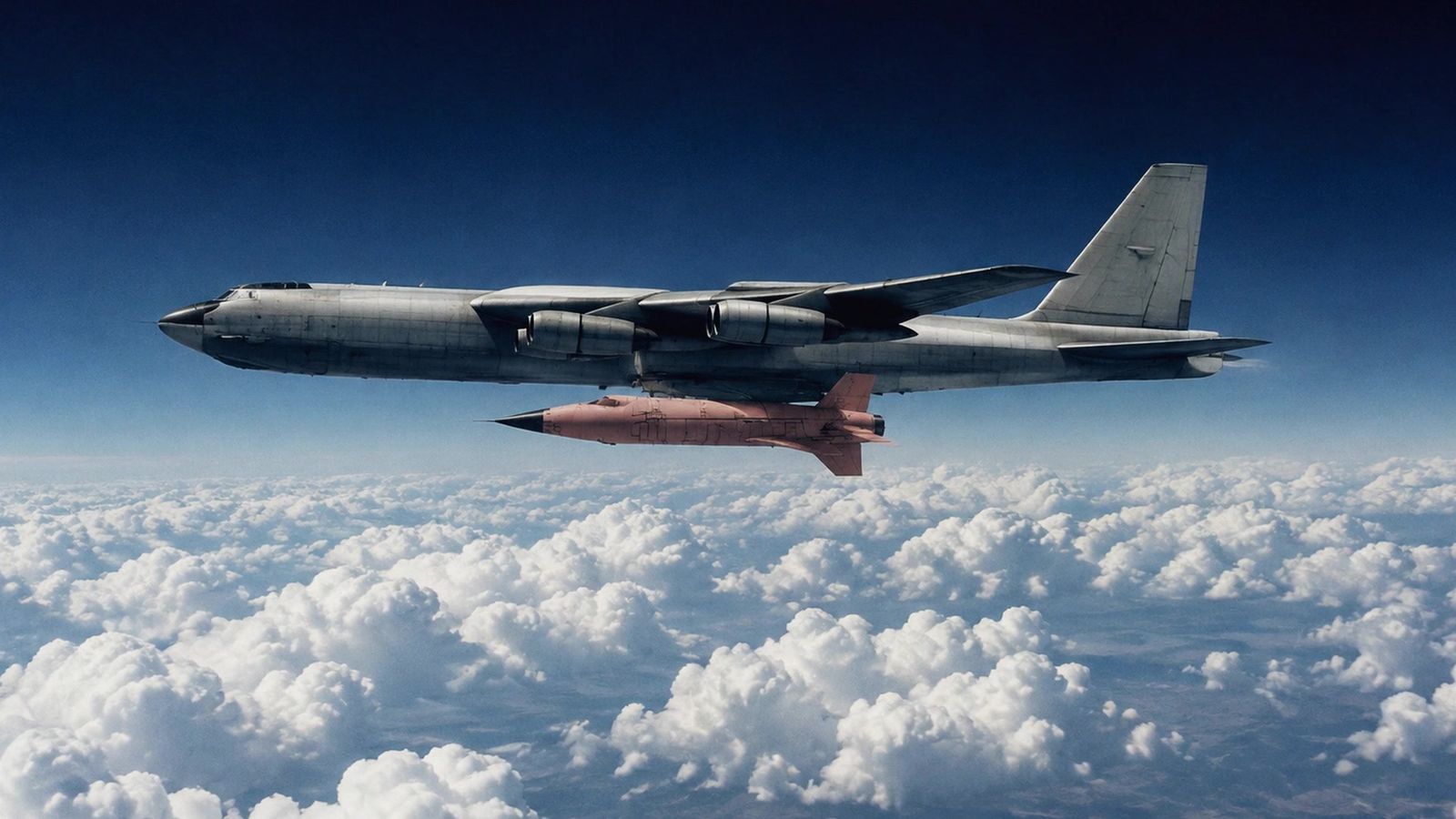
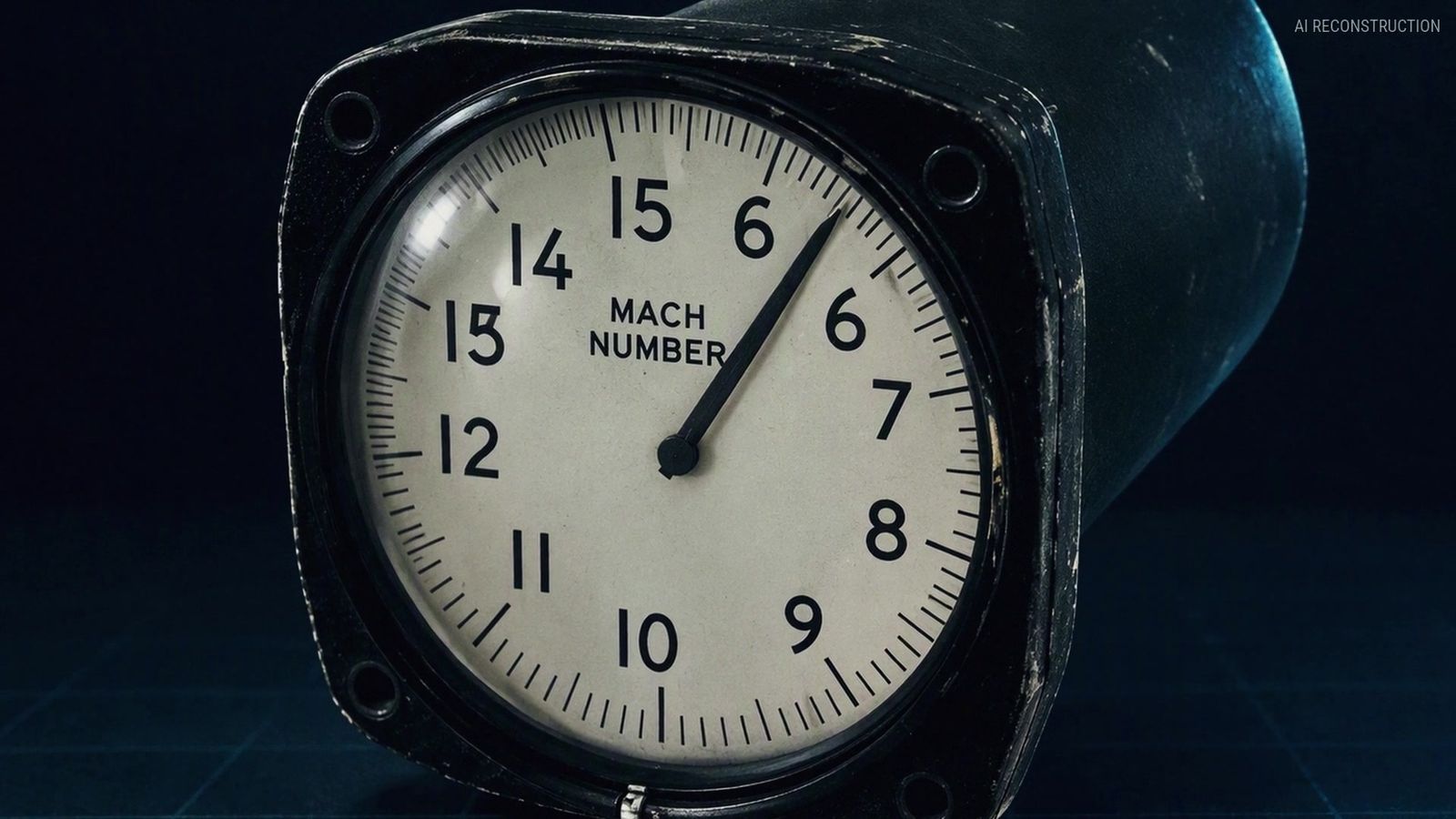
October 3, 1967. Pete Knight pushes the X-15A-2 to Mach 6.7 — still the fastest a piloted, powered aircraft has ever flown — and lands with the coating burned through and metal melted under the tail.
The engine was fine. The pilot was fine. The airframe was not. From NASA's post-flight inspection and Knight's own pilot report: what really stopped it.
How it's made / four layers
Netflix-grade 3D where the camera can go anywhere, real film where it already went, and the document itself where the numbers live.
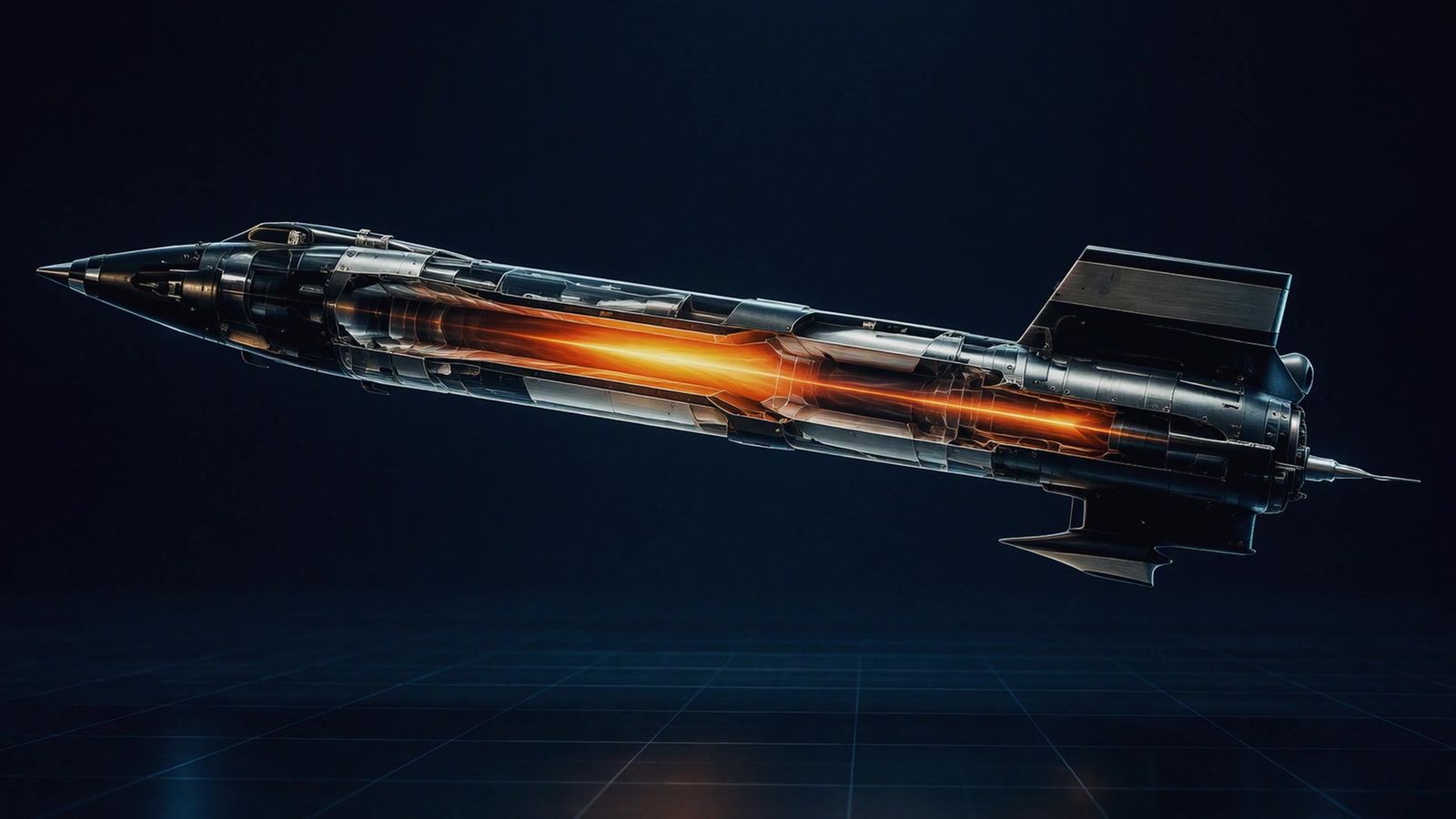
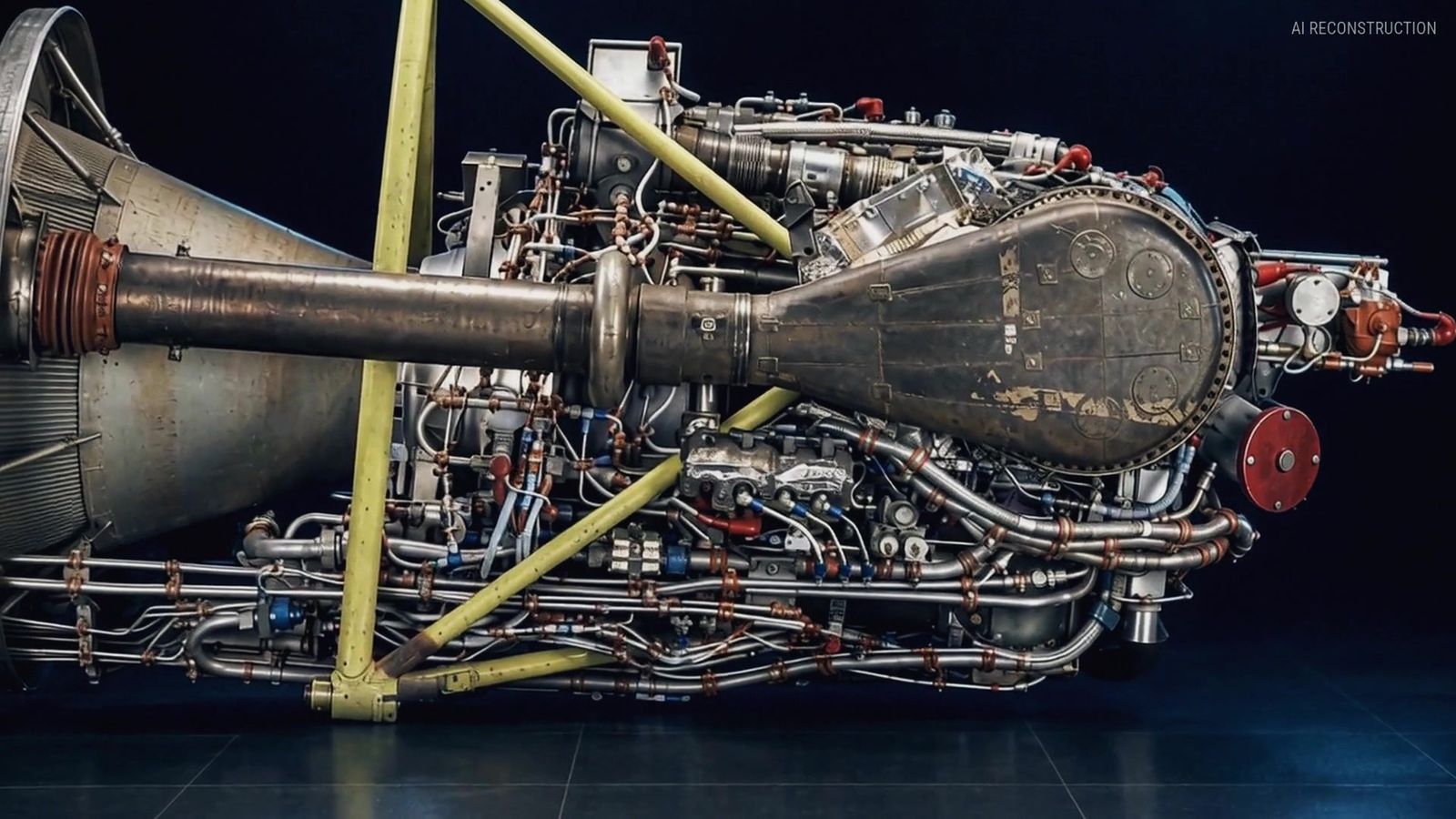
Real aircraft models, opened up to show the one part that decided the day — and when no model exists, we build one from photographs.
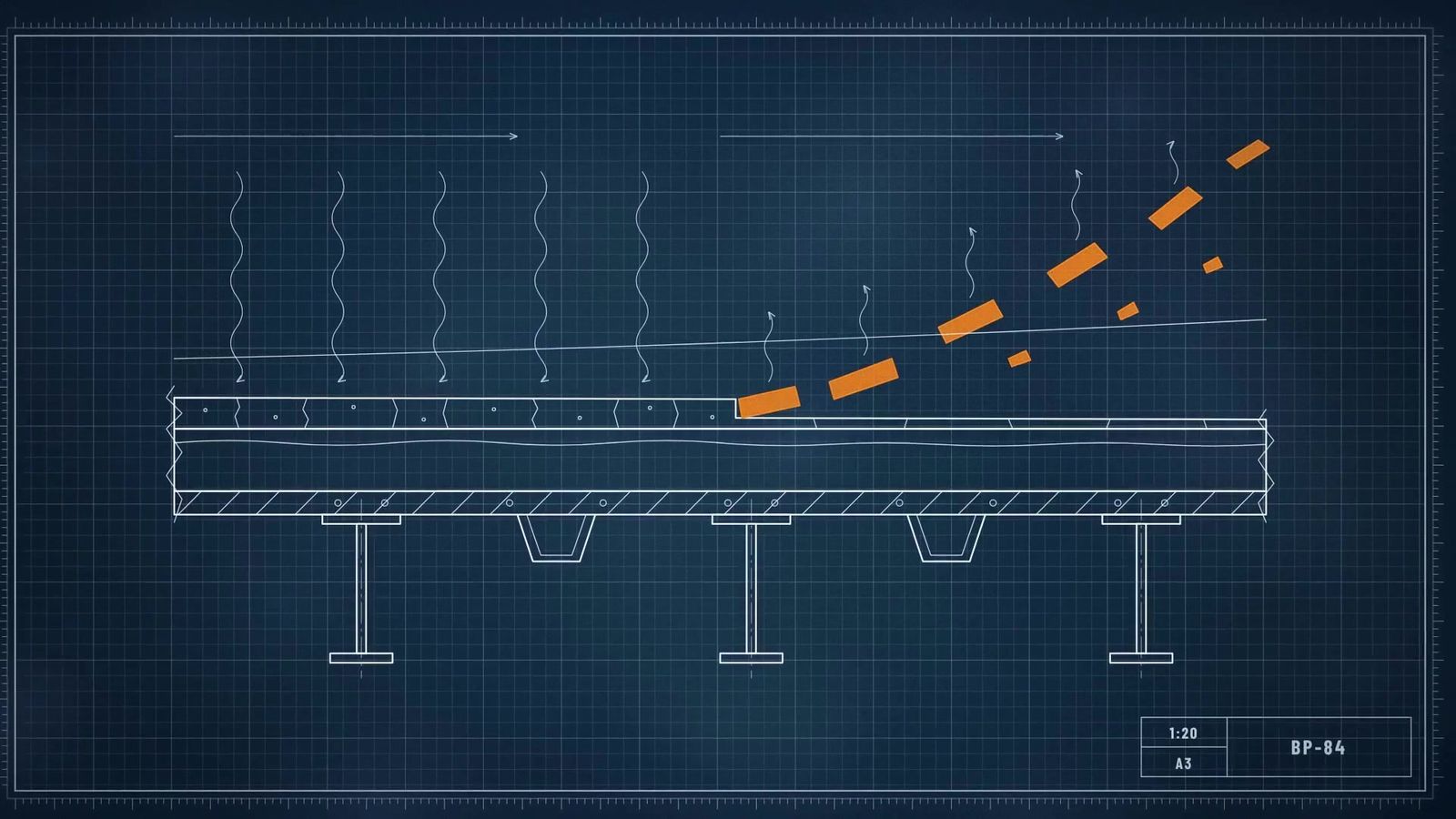
Mechanisms too fine for 3D are drawn line by line, the way an engineer would sketch them.
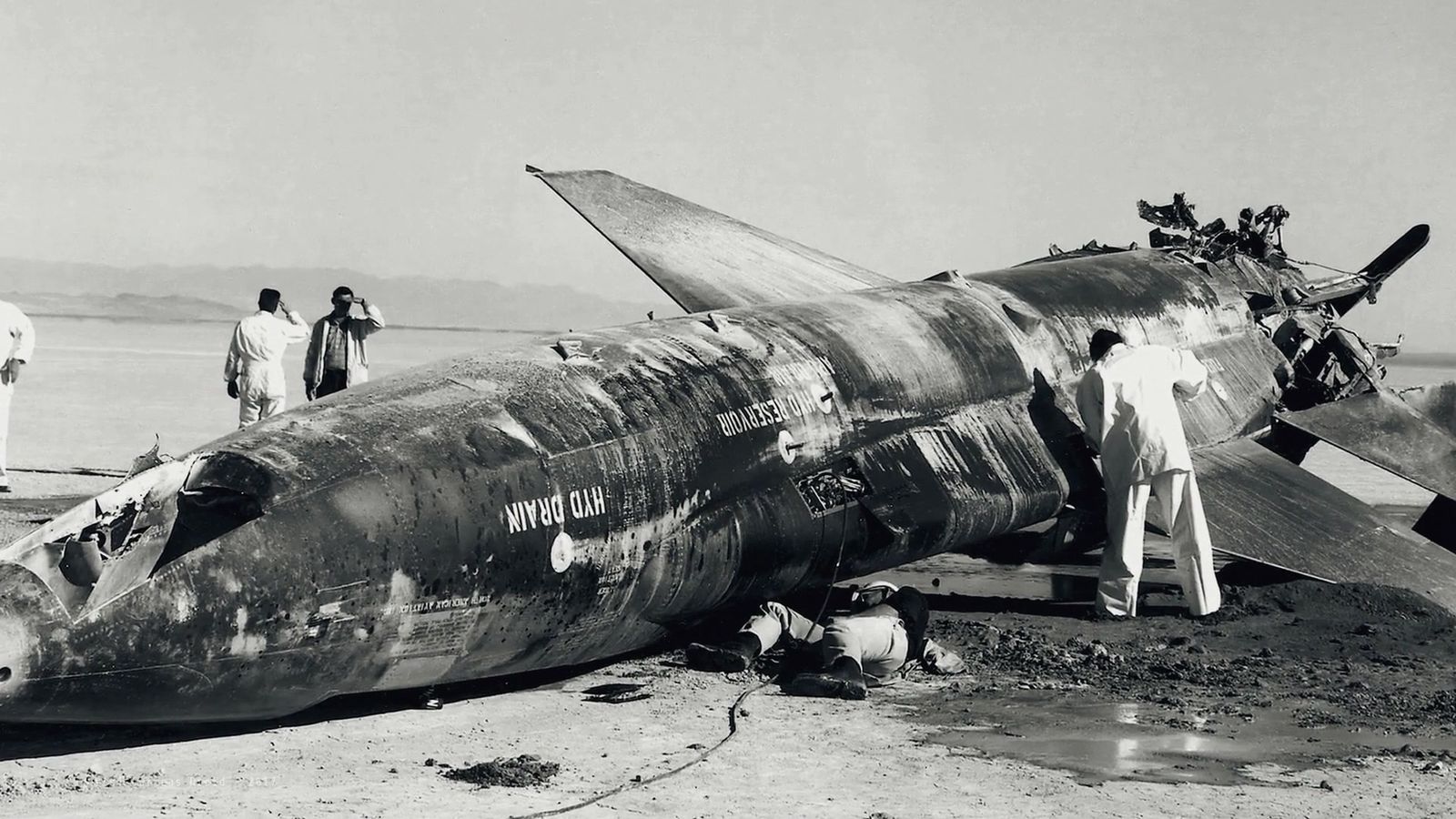
About a quarter of every film is real footage and photographs — NASA, the National Archives, U.S. government film. The day, as it was.
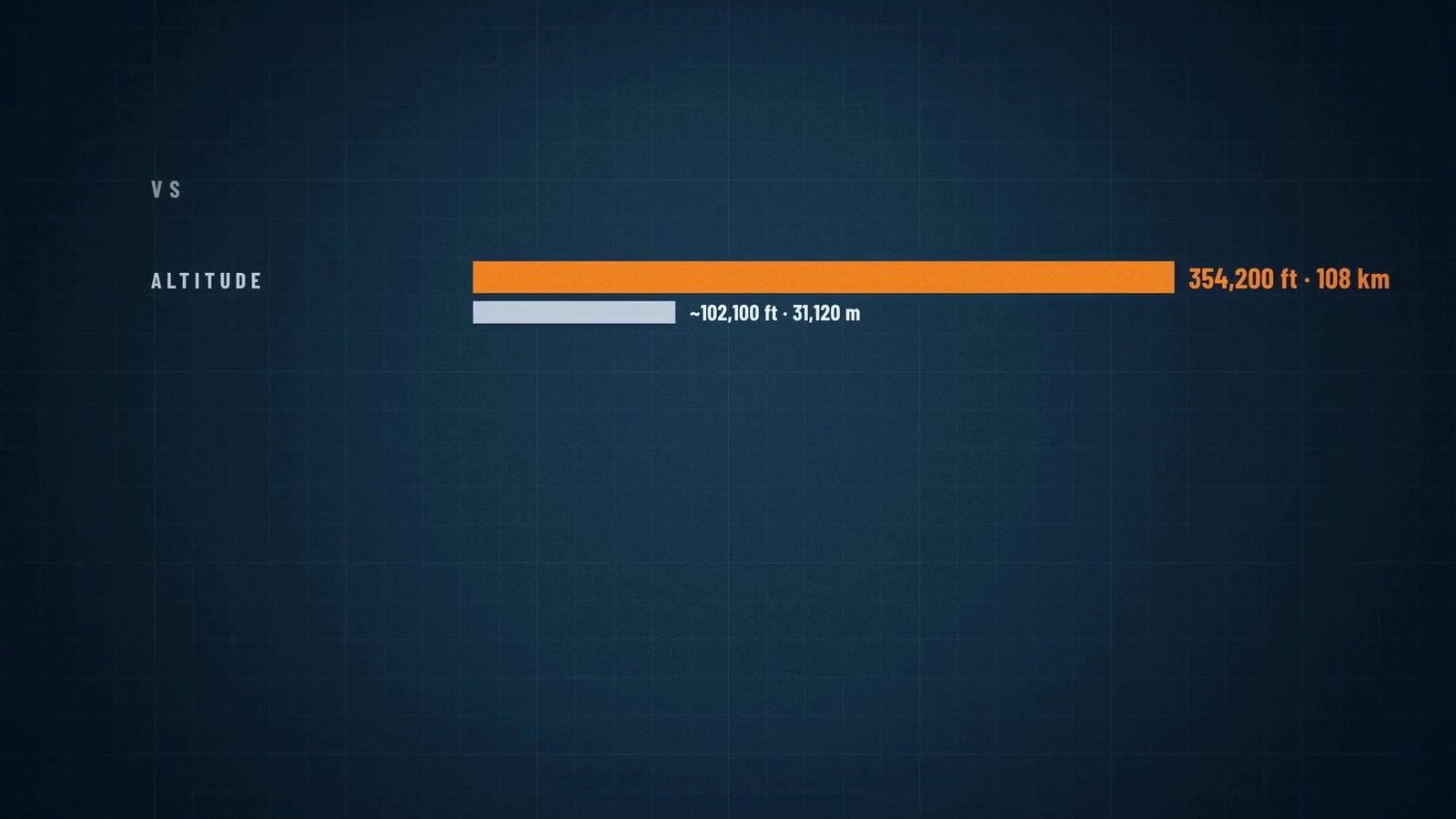
Feet and metres, mph and km/h, °F and °C — on screen, every time. Nobody has to convert in their head.

The rules / every film
The real story is dramatic enough. Our job is to get it right.
Every description lists its sources — with publication details.
We say what is not known, instead of guessing.
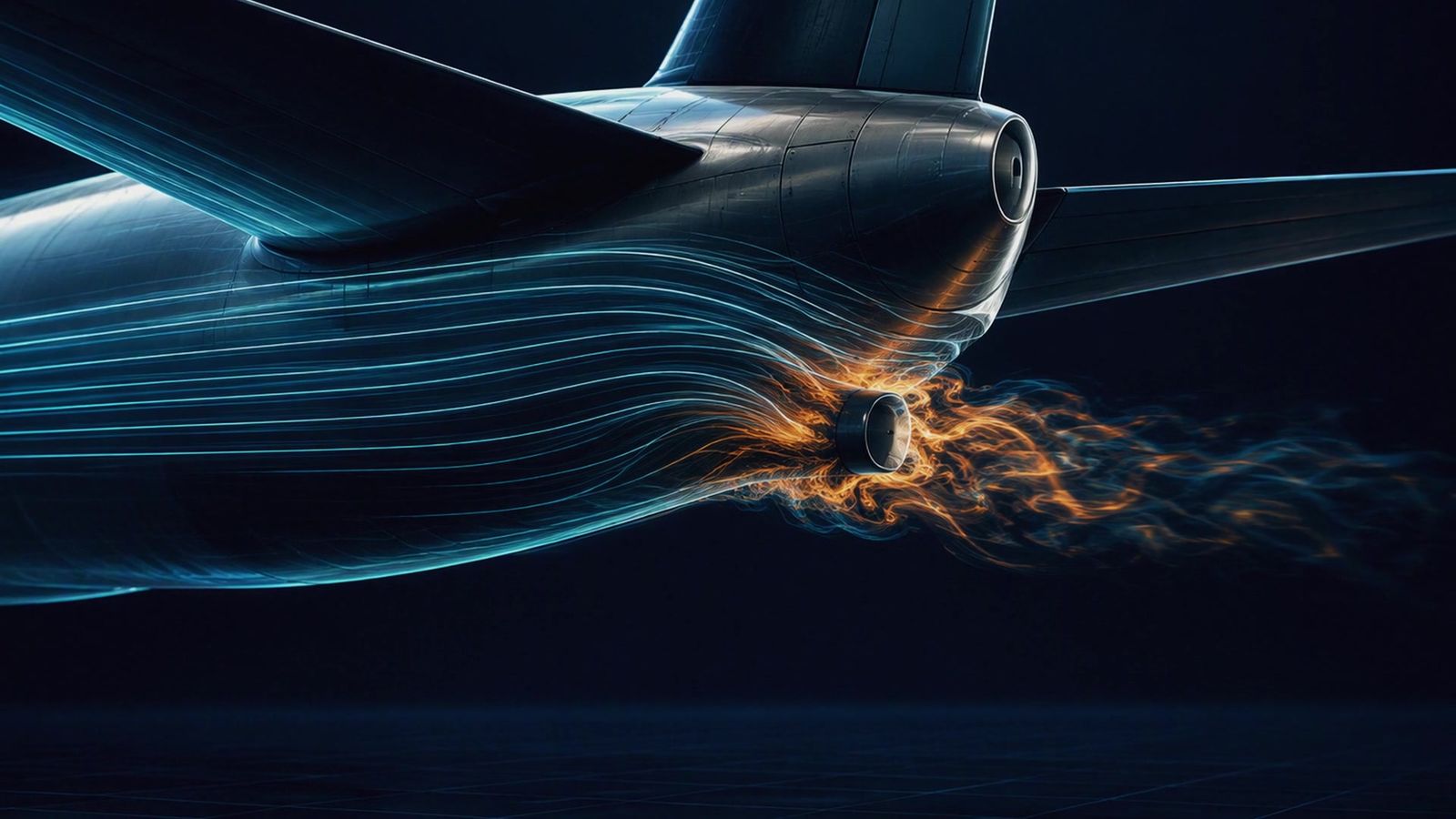
Illustration is marked as illustration. AI reconstructions are made from real photographs and labelled on screen.
Every 3D model and music track is credited by name.
Coming next / in production
Which aircraft should we push to the edge next? Tell us in the comments.
Subscribe on YouTube
New films regularly, in English and German. Subscribe — and fly to the edge with us.